
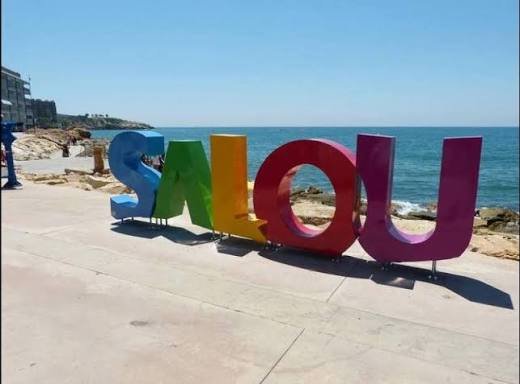
Salou’s Heartbreaking Response to the Llarga Beach Tragedy
In the sun-drenched coastal town of Salou, Spain, a family’s dream vacation shattered into unimaginable grief on July 30, 2025. Ameiya Parris, 13, and her brother Ricardo Junior, 11, from Birmingham, UK, drowned while swimming off Llarga Beach. Their father, Ricardo Senior, heroically attempted to save them amid treacherous currents and high tides, only to suffer a severe concussion himself. This “black Tuesday” for Tarragona’s shores marked the 16th and 17th drownings on Catalan beaches that summer, a stark rise from the previous year’s tally. As emergency sirens pierced the evening air, Salou’s authorities sprang into action, their statements weaving sorrow, resolve, and a urgent call to vigilance.
The General Directorate of Civil Protection issued the first official communiqué mere hours after the 8:47 PM distress call. “Two brothers, of British nationality and aged 11 and 13, drowned this evening on Llarga Beach in Salou,” it read, with clinical precision masking profound loss. Seven Medical Emergency System (SEM) units, alongside Salou Local Police, Mossos d’Esquadra, and five Generalitat Fire Brigade teams, mobilized in a frantic bid to revive the siblings. Psychologists arrived to cradle the shattered family, while the statement underscored the incident’s gravity: rough seas under a persistent yellow flag—caution advised, swimming permitted but perilous. “Extreme precautions are essential on beaches, pools, and inland waters this summer,” it implored, citing 19 total drownings, including three in pools. The directive wasn’t mere bureaucracy; it was a lifeline tossed to the 1.3 million annual British visitors who flock to Salou’s golden sands.
By dawn, Mayor Pere Pronte’s voice trembled through a press briefing outside Town Hall. “Our hearts are broken for this family,” he declared, eyes glistening under the Mediterranean sun. “Salou is a place of joy, but tonight, it weeps.” Pronte detailed the rescue: lifeguards had clocked out at 8 PM, just 47 minutes before the call, leaving a gap now under scrutiny. “We will review protocols rigorously—no stone unturned—to shield our shores.” His words echoed the town’s ethos: resilient, family-centric, yet haunted by nature’s whims. A minute’s silence at 11:45 AM followed, the promenade falling mute as locals, tourists, and officials bowed heads. Clocks halted; waves lapped indifferently. “In memory of Ameiya and Ricardo Junior,” Pronte added, “whose light touched us all too briefly.”
The UK Foreign Office echoed solidarity: “We are supporting the family and liaising with local authorities.” Back in Birmingham, tributes poured in—Ameiya, a budding artist; Ricardo, a soccer enthusiast—while a GoFundMe surged past £40,000 for repatriation and grief support. Aunt Kayla Del-Brocco shared, “They were bright, loved swimmers; the sea betrayed them.” Yet Salou’s statements pivoted to prevention. The Civil Protection bulletin appended safety mandates: heed flags, shun unmonitored zones, equip children with flotation aids. “Currents claim the unwary,” it warned, statistics grim: 100 meters from shore, the rocky outcrop where the siblings faltered turned idyllic waters deadly.
Three months on, as November’s chill bites, Salou honors its vow. Enhanced lifeguard shifts, AI-monitored buoys, and multilingual alerts dot the coast. Pronte’s October update affirmed: “From tragedy blooms guardianship.” The Parris family’s pain lingers, a scar on Salou’s vibrant facade. In statements raw with empathy, the town didn’t just mourn—it mobilized, transforming horror into a beacon for safer seas. For in the shadow of loss, Salou reaffirms: paradise demands respect.
